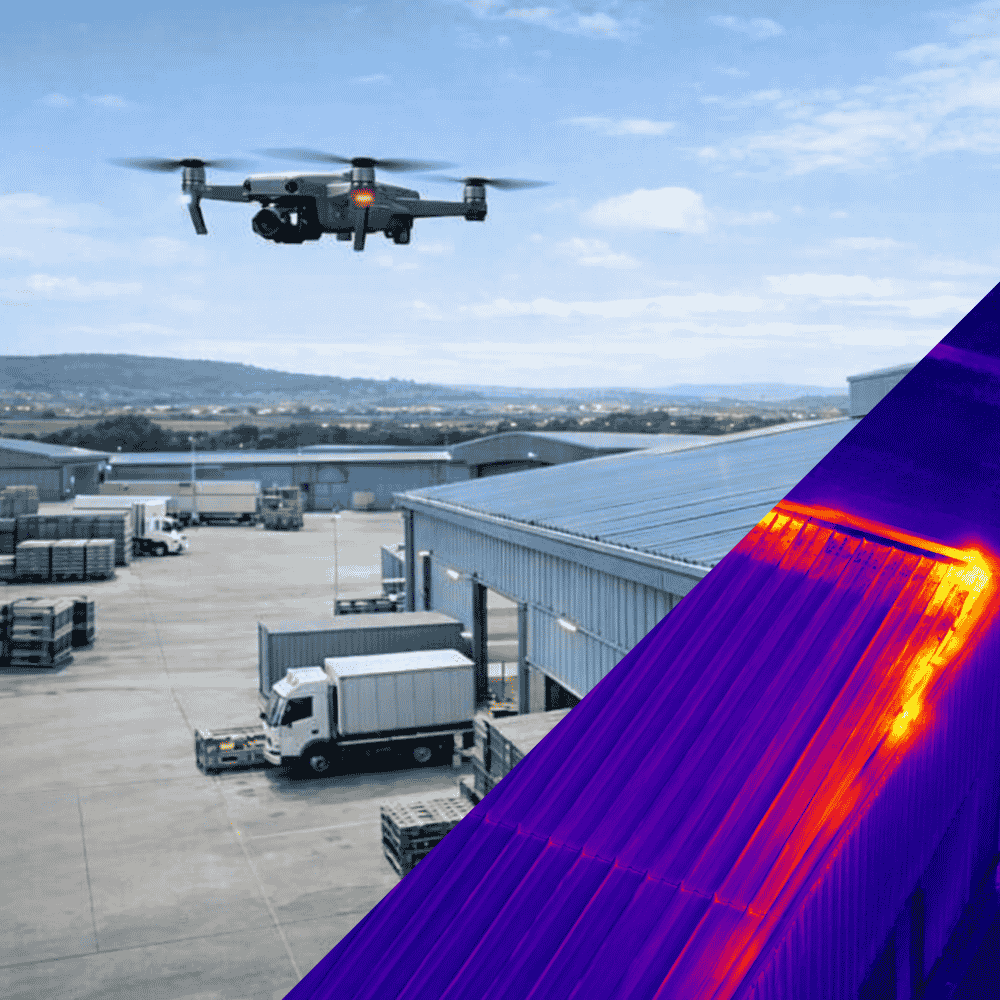
RoboRaptor: Thermal Imaging Pest Inspection
The service combines high-resolution thermal imaging with AI-assisted analysis to scan large or hard-to-reach premises from the air, detecting the heat signatures that point to nesting activity. Once a source is confirmed, our Pest Control Officers move straight into treatment, so there is no handoff and no separate provider to coordinate.
Some infestations don’t announce themselves. A nesting colony tucked into a roof void, pest activity moving through a warehouse eave, or movement three storeys up on a building that can’t safely be inspected on foot. By the time the signs are visible at ground level, the source has often been active for weeks.
How the Thermal Imaging Inspection Works
Pre-flight assessment. We evaluate the property, the areas of concern, and the safest, most efficient flight plan.
Aerial thermal scan. Our licensed drone pilot flies the property, capturing high-resolution visual, telephoto and thermal imagery across roofs, ledges and other elevated areas.
Identify and assess. The thermal data is processed to flag heat clusters, movement trails, and other anomalies worth investigating. Our Pest Control Officers evaluate the risk each area presents and determine which need immediate attention and which need preventative measures.
Follow-up verification and treatment. Where needed, a Pest Control Officer physically inspects the flagged areas to confirm the source before treatment begins.
Professional report with recommendations. Findings are compiled into a report identifying likely nesting sites and suggested next steps.
Where This Service Fits in Gauteng
RoboRaptor Drone Thermal Pest Identification is particularly suited to large or complex sites across the province, including warehouses and logistics facilities around Johannesburg and Ekurhuleni, food and beverage production and distribution sites, retail parks and shopping centres, corporate office parks, hospitality venues, healthcare and educational facilities, and telecommunications infrastructure such as cellular towers. It is especially valuable anywhere bird activity needs to be located and documented across a large footprint, or in areas that are difficult or unsafe to inspect from the ground.
Curious how thermal detection actually works, and what it means for your bottom line? Read more about it here.
How is thermal imaging pest inspection different from standard bird-proofing?
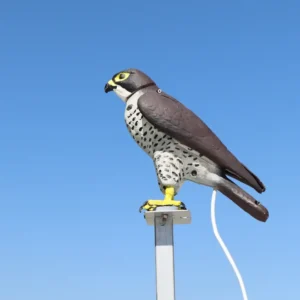
Standard bird-proofing is applied based on a visual inspection from the ground or a general assumption about where birds are active. RoboRaptor uses drone-based visual, telephoto and thermal imaging to locate nesting, roosting and entry points across the entire property first, so the intervention that follows, whether that’s exclusion, deterrents, or a Robo Falcon installation, is targeted at the confirmed source rather than applied broadly.
Is nest removal always part of the service?
No. Nest removal is only carried out where it is legally permissible and appropriately authorised. In many cases, the priority is identifying activity and applying preventative or deterrent measures rather than removing an active nest. How is this different from a standard pest inspection?
What does a RoboRaptor client receive at the end of the process?
A full service report covering the areas inspected, bird activity and fouling identified, before-and-after photographic and video evidence, the work completed, and recommendations for ongoing monitoring. For larger or higher-risk sites, this can form the basis of a scheduled bird-management programme rather than a once-off intervention.