

Blog
The Seasonal Pests of South Africa And how to detect and prevent them in your business
South Africa is a special place in terms of having great weather and moderate climates. However, the tropical and invasive pests come into our spaces to dodge the cold or heat with temperate environments. With this guide, you will be able to get the advantage over these hidden unwanted tenants in your workspace.
Cockroaches

An iconic species of pest, cockroaches are a species of scavenging insect with most species inhabiting warmer environments with a good level of moisture. These small survivalists have a system of setting up camp in spaces with access to food and maintaining a liveable environment for them to breed in. In the winter months (June – early September), cockroaches will move into spaces such as basements, bathrooms, waste disposal areas and even kitchens. For a business, this can be detrimental as they are vectors for disease and can cause general discomfort for stakeholders.
Preventative measures can include:
-
- Sealing food and waste to avoid them detecting it
-
- Fumigating during peak seasons of infestation
-
- Identify species to refer to Bidvest Steiner to handle accordingly with expert advice and techniques
Bed Bugs

Don’t let these guys bite – a tale we have been told our entire childhood. These blood-sucking insects are an unpleasant visitor for hotels and lodging businesses. Otherwise known as ectoparasites (like mosquitos and fleas) feed on blood through the skin, they will hide in mattresses and upholstered furniture where they will feed and breed. Bed bugs become more active during the warmer seasons (October – May) so it will be easier to detect them during this period, but this does not exclude them from moving in during winter too.
As the tourism and hotel industry is picking up momentum in South Africa, it is essential to make sure that these pests are dealt with in preparation of more customers coming to stay over. These measures can include:
-
- Fogging or fumigating mattresses and upholstery when signs of infestation are evident
- Vacuum these pieces of furniture after, removing the insects, eggs, or excrement they leave
- Contacting us for our services to inspect the environment and make a diagnosis of the severity of the case
Rats and other rodents
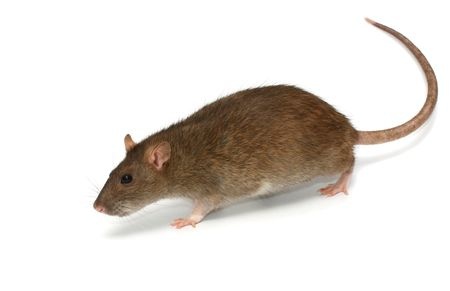
The common mammal of the pest world, rats and mice could have two major seasons for coming into your space, whether it is in winter to escape the cold or in summer rainfall areas due to storms driving them from their outdoor burrows. Usually feasting on foodstuffs and chewing on electrical wiring, wooden structures and leaving excrement in places that pose the risk of disease. Rodents are a larger and easy to identify the problem for business owners and customers. Like insects and arachnids, chemical solutions are not the only method that Bidvest Steiner can deploy to manage rodent populations. Some various baits and traps are non-toxic alternatives to handle them.
Weevils

If your business relies on storing grains, maize, or flour, or even if you just want to keep your staff kitchen clean, weevils are an invasive species that can cause quite a headache. They are found in warmer climate regions which is detrimental to many agricultural industries in Southern Africa, which may result in farms and businesses in the food industry being impacted by the presence of weevils.
The proper control methods are:
-
-
- Prevention – use proper bin sanitation to reduce the need for pesticide
- Repairs – this should be done between emptying and filling of the bins
- Treatment – this includes floors and walls, inside and out
- Spraying – 4-6 sprayings of the bin prior to storage
- Inspection – conduct this on a bi-monthly basis
-
For fumigation and pest control needs, please contact us today for an assessment.